Typography Sewing: A Versatile T-Shirt Design
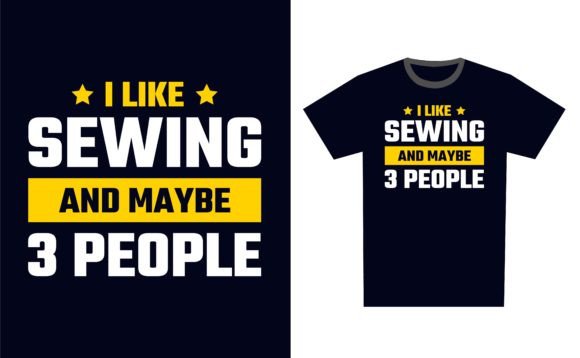
Upon first glance, Sewing exudes a charming, handcrafted vibe that immediately sets the tone for a project. The typography is clean yet playful, making it a perfect fit for a small business or handmade brand looking to add a touch of authenticity and creativity to their visual identity.
Aesthetic and Mood: Handmade Elegance
Sewing has a distinct, artisanal feel that resonates with brands aiming for a personal, handcrafted aesthetic. The design's simplicity and elegance make it versatile enough to complement a wide range of projects, from boutique product lines to seasonal campaigns and local events. It’s an excellent choice for Etsy shops and online product launches, where a unique, hand-touched look can set your brand apart.
Real-World Applications: From Branding to Merchandise
When it comes to real-world applications, Sewing shines in various contexts. For logo design and brand identity, it can serve as a key element, adding a memorable and distinctive touch. In packaging design, the design can be used to create labels that are both functional and visually appealing. For merchandise, such as t-shirts, mugs, and tote bags, Sewing provides a design that is both eye-catching and relatable, perfect for a crafty, DIY audience.
Design Performance: Large Layouts and Decorative Accents
Sewing performs exceptionally well in large layout areas, such as hero graphics and product mockups. Its bold, clear typography makes it ideal for creating strong, impactful visuals. Additionally, it works beautifully as a decorative accent, adding a subtle, yet effective, touch to themed collections and campaign visuals. The design’s versatility allows it to be used creatively in social media posts, Pinterest pins, and Instagram stories, where it can help build a cohesive and engaging brand presence.
Cautionary Notes: Small Sizes and Complex Backgrounds
While Sewing is highly versatile, it should be used carefully in certain situations. In small sizes, the intricate details of the typography may become less legible, so it’s important to test its readability before finalizing any designs. Similarly, when placed on complex backgrounds or in crowded layouts, the design may lose some of its impact. It’s best to use Sewing in settings where it can stand out and be easily read, such as on solid or simple backgrounds.
Practical Designer Tips: Testing and Integration
To ensure Sewing fits seamlessly into your project, there are several practical steps you can take. First, test the design in black and white to see how it holds up without color. This will give you a good idea of its structural integrity and legibility. Next, check the contrast on both light and dark backgrounds to ensure it remains visible and impactful. Preview the design at both small and large sizes to confirm its scalability and adaptability.
- Place Sewing on real mockups to see how it integrates with your overall design concept.
- Test print quality to ensure the design looks crisp and professional in physical form.
- Review the file formats (EPS, PNG, SVG, JPEG) to choose the most suitable one for your project.
- Inspect the PNG transparency if included, to ensure it blends well with different backgrounds.
- Check the SVG or vector editability to make any necessary adjustments or customizations.
Visual Hierarchy and Brand Consistency
In terms of visual hierarchy, Sewing is designed to be a focal point, drawing the viewer’s attention with its clean, bold typography. This makes it a great choice for establishing a strong, consistent brand identity. When used in conjunction with other design elements, such as logos, product labels, and packaging, Sewing helps to create a cohesive and polished look that enhances the overall impression of your brand.
Emotional Appeal and Audience Engagement
The emotional appeal of Sewing lies in its ability to connect with audiences on a personal level. The design’s handcrafted, authentic feel resonates with those who appreciate the value of handmade and artisanal products. This emotional connection can significantly enhance audience engagement, making Sewing a valuable asset for marketing visuals, editorial design, and web design. Whether used in a blog post, a social media campaign, or a promotional flyer, Sewing adds a touch of warmth and personality that can make your brand more relatable and memorable.
Final Thoughts: A Valuable Creative Asset
In conclusion, Sewing is a versatile and well-crafted graphic design asset that can add significant value to a wide range of creative projects. Its clean, playful typography and handcrafted feel make it a natural fit for small businesses, handmade brands, and creative marketplaces. By following the practical designer tips and considering its strengths and limitations, you can effectively integrate Sewing into your design work, enhancing both the visual mood and the overall professionalism of your projects. Don’t forget to confirm the commercial licensing before using it for client or business projects, ensuring you have the right to use this creative asset commercially.