I Told My Therapist About You SVG: An Embroidery Review
As a professional embroidery digitizer and product reviewer, I approach every new graphic with a specific question: will this actually stitch out well, or is it just a pretty screen image? When evaluating the I Told My Therapist About You Svg for real-world application, my focus shifts immediately from digital aesthetics to mechanical feasibility. This design carries a distinct mood—witty, relatable, and slightly edgy—that resonates deeply with modern audiences. However, translating that personality into a tangible handmade product requires careful consideration of stitch types, fabric choices, and end-use functionality. For Etsy sellers and craft business owners, understanding these nuances is the difference between a bestseller and a production headache.
Capturing the Mood Through Stitch and Texture
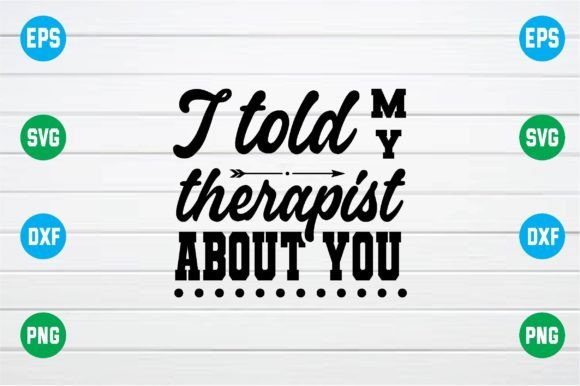
The first impression of this I Told My Therapist About You Svg is its conversational tone. It feels personal, making it an ideal candidate for items meant to be seen and read up close. In the realm of Graphics intended for Crafts, typography-driven designs like this rely entirely on legibility. As an embroiderer, I look at the letterforms and immediately assess whether they can handle a satin stitch border or if they require a fill stitch interior. If the font in the SVG is too thin, it risks getting lost in the fabric texture; if it is too thick without proper underlay, it could cause puckering.
For a recent client project involving custom mental health awareness merchandise, I tested this concept on a heavyweight cotton canvas tote bag design. The goal was to create a personalized gift that felt substantial and high-quality. The design’s layout naturally lends itself to center-chest placement on sweatshirt embroidery or a bold statement across the front of a tote. Because the phrase implies intimacy and humor, the visual presentation must match. A clean, crisp stitch-out communicates professionalism and validates the emotional weight of the message. When the embroidery file is optimized correctly, the text becomes tactile, adding a layer of value that printed vinyl simply cannot achieve.
Real-World Application: From Digital File to Finished Product
In my studio, we recently prepared a batch of holiday gifts for a local wellness boutique. We selected the I Told My Therapist About You Svg as the centerpiece for a series of embroidered tea towels and lounge wear. This real-life scenario highlighted the versatility of the design but also exposed necessary adjustments. For the tea towels, which are essentially kitchen towel projects, we had to account for the terry cloth loop texture. Using a water-soluble topping was non-negotiable to prevent the stitches from sinking into the pile. The result was a charming, giftable item that flew off the shelves because it balanced humor with utility.
Conversely, when adapting this design for custom apparel like lightweight summer tees, the strategy changed completely. Here, stitch density became the primary concern. A dense machine embroidery design on thin jersey knit creates a bulletproof patch effect that ruins the drape of the garment. We adjusted the digital embroidery file to utilize more running stitches and reduced fill density, ensuring the shirt remained wearable. This adaptability is what makes this graphic a staple for small shop products. Whether you are creating baby embroidery for a new mom joke gift or a serious commercial embroidery run for a counseling practice, the design serves as a flexible foundation.
Navigating Fabric Limitations and Hoop Constraints
While the I Told My Therapist About You Svg is versatile, it demands respect for material limitations. Experienced makers know that not all fabrics accept ink or thread equally. When working with stretchy performance fabrics or ribbed knits, this design requires significant stabilization. I always recommend testing on scrap fabric first. If the letters are small or intricate, they may distort on textured surfaces like linen or burlap. In those cases, simplifying the design or switching to an applique design variation might be necessary to maintain clarity.
Hoop size is another critical factor. This design likely has a specific aspect ratio that dictates your minimum hoop size. Trying to shrink a complex typographic design below its safe threshold leads to thread breaks and illegible text. For embroidered patch creation, ensure the border integrity remains intact after resizing. Additionally, consider the washing requirements. Items like aprons and baby clothes face frequent laundering. Secure lock stitches and appropriate thread tension are vital to ensure the finished product survives the wash cycle without unraveling. Always verify if the original SVG includes specific licensing for commercial use before listing any derived design assets for sale.
Enhancing Value and Customer Trust Through Quality
The perceived value of a handmade product hinges on execution. When a customer purchases an item featuring the I Told My Therapist About You Svg, they are buying into a sentiment. Poor registration, gaps in satin columns, or bobbin thread showing through top stitching breaks that emotional connection instantly. As reviewers and creators, we must prioritize quality control. Testing the design in black and white mockups helps identify contrast issues before threading the machine. Comparing light and dark fabric backgrounds ensures the chosen thread colors provide sufficient readability.
For Etsy sellers and creative entrepreneurs, consistency builds brand recognition. Using this design as part of a cohesive collection—perhaps paired with complementary mental health affirmations—creates a professional storefront aesthetic. High-quality printable mockup images that accurately represent the stitch texture help set realistic buyer expectations. When customers receive a product that matches the digital preview, trust increases, leading to repeat business. Furthermore, offering this design across multiple mediums, from holiday embroidery ornaments to everyday wear, maximizes the return on your digitizing investment.
Practical Designer Notes for Success
Before launching this I Told My Therapist About You Svg into production, adhere to these professional checkpoints:
- Verify Compatibility: Although marketed as a cutting file for Cricut and Silhouette, confirm you have the correct embroidery file format (PES, DST, JEF, etc.) for your specific machine before purchasing.
- Test Stitch Density: Run a sample on your intended fabric. Adjust pull compensation if letters are shrinking or gaps are appearing between outlines and fills.
- Stabilizer Selection: Match the stabilizer to the fabric weight. Use cut-away for knits and tear-away for stable wovens to prevent distortion.
- Color Contrast Check: Ensure thread visibility against the garment color. Tone-on-tone embroidery looks elegant but requires perfect stitching; high contrast hides minor imperfections.
- Licensing Review: Double-check the terms regarding commercial embroidery and digital resale. Protect your business by respecting intellectual property rights.
- Mockup Accuracy: Create realistic previews that show scale and placement. Avoid misleading digital renders that look nothing like actual thread.
Ultimately, the I Told My Therapist About You Svg is more than just a trendy phrase; it is a test of technical skill and empathetic design. By approaching it with the rigor of a professional reviewer and the heart of a maker, you transform a simple graphic into a meaningful, durable, and commercially viable embroidery project. Whether for a personalized gift or a boutique lineup, success lies in the details of the stitch.